
Chimney Inspections in Manhasset Hills, NY
You can't fix what you can't see. A proper inspection tells you exactly what's happening inside your flue — before it becomes an expensive or dangerous problem.
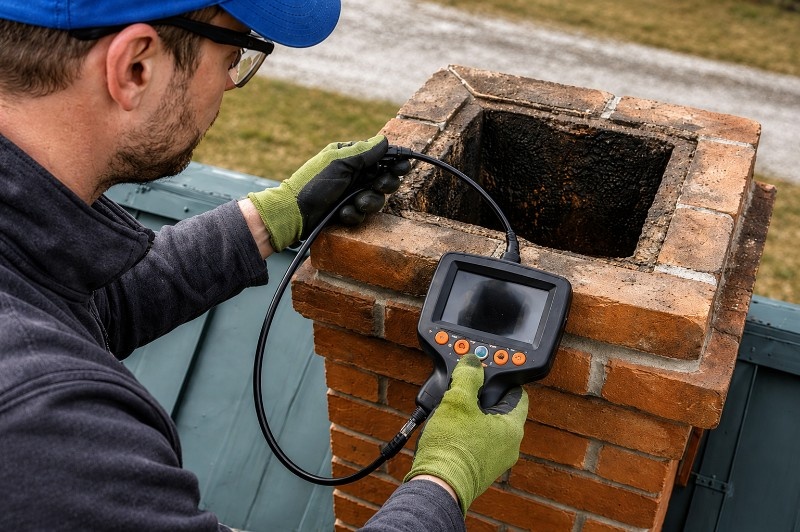
"Showed me the video scan footage in real time — I could actually see the crack they were talking about."
"Needed a Level 2 for a home sale and they turned the report around fast. Buyer's inspector was impressed."
"Honest about what I actually needed — didn't try to sell me a Level 2 scan for a routine checkup."
"Clear written report with photos. My insurance company accepted it without any back-and-forth."
Know What's Really Inside Your Chimney
A chimney can look perfectly fine from the ground and still have a cracked liner, a deteriorating crown, or a blockage you'd never spot without climbing up or scoping the flue. In Manhasset Hills, where most chimneys are original to homes built in the late 1950s and 1960s, that gap between "looks fine" and "is fine" is bigger than most homeowners realize.
An inspection isn't about finding problems to sell you work — it's about knowing, with certainty, whether your chimney is safe to use. We tell you exactly what we find, show you photos or video, and let you decide what happens next.
Schedule an Inspection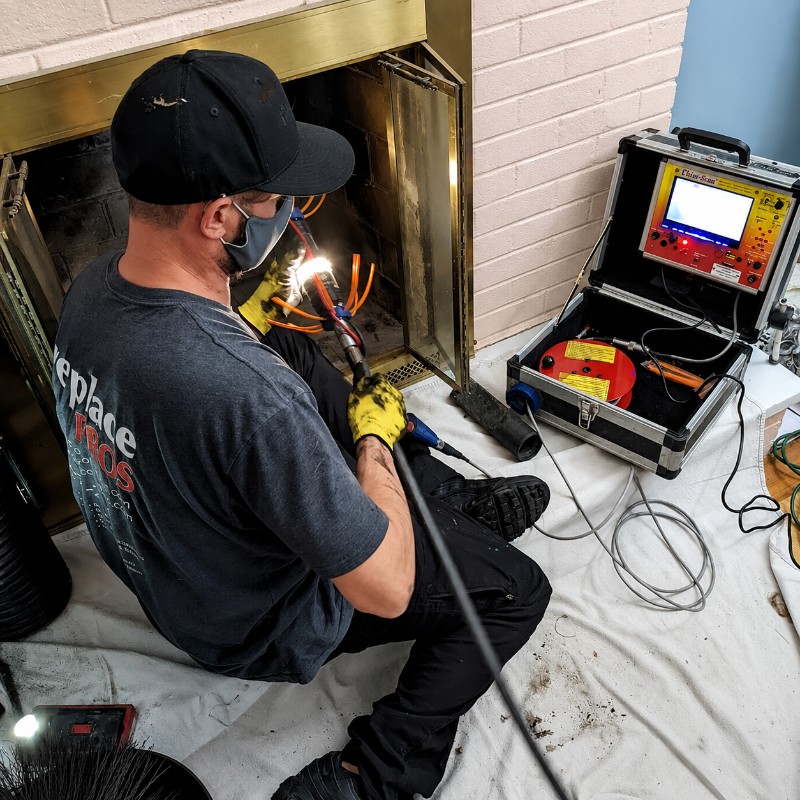
Signs You Need an Inspection Now
Any of these mean it's time to have someone actually look, not guess.
- You just bought or are about to sell a home with a fireplace
- You had a chimney fire, even a small one that put itself out
- You're switching heating appliances or fuel types
- You see white staining (efflorescence) or rust on the damper
- It's been over a year since your last inspection
- You noticed cracks in the crown or gaps in the mortar joints
Level 1 vs. Level 2 vs. Level 3
The right inspection depends on your situation — here's what each one actually covers.
Level 1
A visual check of readily accessible parts of the chimney and flue. Standard for an annual checkup on a system with no known issues.
- Visual check of flue interior
- Firebox, damper, and connections
- Exterior structure and crown
Level 2
Adds a full video scan of the interior flue, plus accessible attic and crawl space areas connected to the chimney.
- Everything in Level 1
- Video scan of full flue
- Required after fire, appliance change, or home sale
Level 3
The most invasive level — may involve removing sections of chimney or wall to access a concealed area. Rare, and only when a serious hazard is suspected.
- Everything in Levels 1 & 2
- Removal of components if needed
- Used only for suspected hidden hazards
Our Inspection Process
Exterior & Structural Check
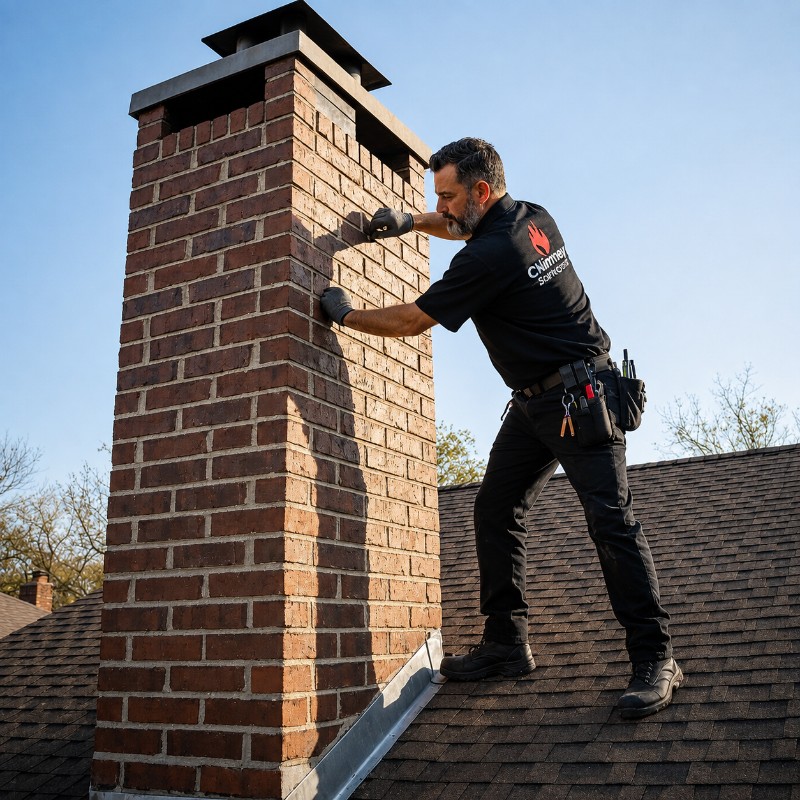
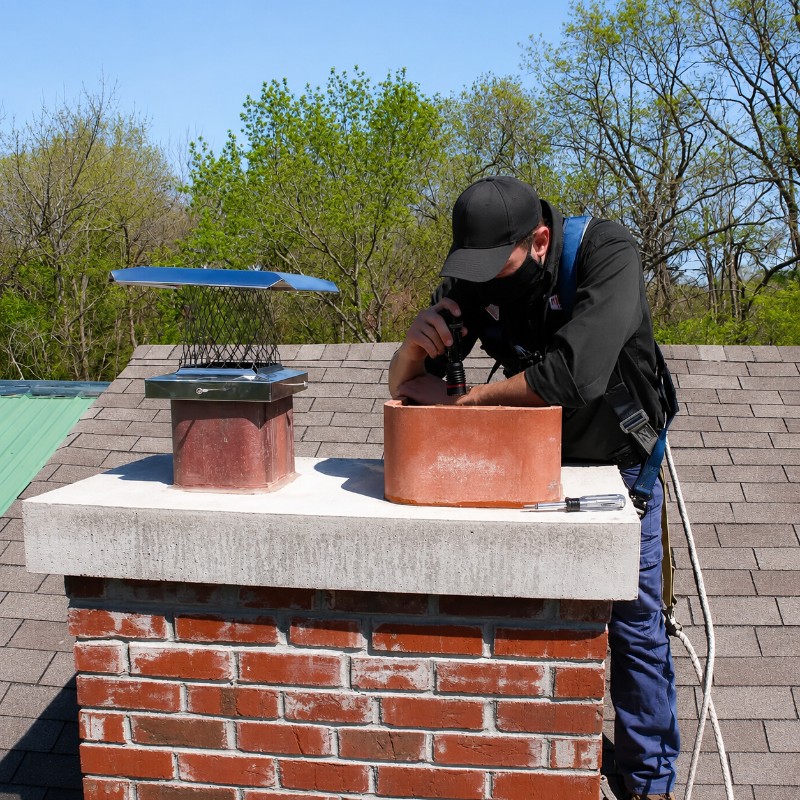
Crown, cap, flashing, and masonry — looking for cracks, deterioration, or water damage from the outside in.
Interior Flue Scan
Camera or visual inspection of the flue liner, checking for cracks, blockages, and creosote buildup.
Documented Report
Photos or video, a written explanation of what we found, and clear next steps — no jargon, no pressure.
When a Level 2 Inspection Is Required
Real Estate Transactions
Buying or selling a home with a fireplace almost always calls for a Level 2 scan — it's what most lenders and inspectors expect on record.
After Any Chimney Fire
Even a small, self-extinguished fire can crack a flue liner in ways you can't see from the firebox. Code requires a full scan afterward.
Changing Heating Appliances
Switching from wood to gas, or installing a new insert, changes what your flue needs to safely vent — worth confirming before you fire it up.
CSIA-Certified Findings
Every scan is reviewed by a CSIA-certified technician trained to NFPA 211 standards, so what you get is a real assessment, not a guess.
What It Costs
Pricing depends on which level of inspection you need and how accessible your chimney is. Here's what actually changes the number:
Complete Chimney Maintenance Services
An inspection often surfaces a bigger issue — here's everything else we handle if it does.
Chimney Sweeping
Rotary brushes and a HEPA-filtered vacuum clear soot, creosote, and debris — nothing ends up on your carpet.
Chimney Inspections
Level 1 for an annual checkup, Level 2 video scans after a chimney fire, an appliance change, or before buying or selling a home.
Chimney Repair
Cracked crowns, spalling brick, loose mortar, damaged dampers — we diagnose the cause before we quote the fix.
Stainless Steel Liners
Replacing the cracked clay tile common in 1960s Manhasset Hills chimneys, sized correctly for your appliance.
Chimney Caps & Crowns
Stainless caps built to outlast galvanized, plus crown repair or rebuild with a proper drip edge.
Dryer Vent Cleaning
We clear the full vent run, not just the accessible section — a fire risk many homeowners overlook.
Masonry & Tuckpointing
Failed mortar removed and joints repacked so water stops getting behind the brick.
Waterproofing & Flashing
Breathable sealant plus flashing repair — fixes the most common source of roofline chimney leaks.
Gas & Oil Flue Service
Annual flue checks for blockages, corrosion, and carbon monoxide safety on gas and oil-fired systems.
Areas We Serve Near Manhasset Hills
Not on the list? Call us — we cover most of western Nassau County.
Frequently Asked Questions
A Level 1 inspection typically takes 30–45 minutes. A Level 2 with a full video scan takes a bit longer, usually 45–90 minutes depending on flue count and access.
Yes — NFPA 211 recommends an annual inspection regardless of visible symptoms, since many issues like liner cracks or crown deterioration aren't visible from the firebox or ground.
Yes. Every inspection comes with a written report and photo or video documentation, which is exactly what insurers, buyers, and real estate inspectors typically require.
We'll explain exactly what we found, show you the photos or footage, and give you a straight quote for the fix — no pressure to decide on the spot.
Yes. Gas systems still need annual checks for blockages, corrosion, and safe carbon monoxide venting, even though they don't build up visible soot the way wood-burning flues do.
Pricing depends on the inspection level and flue count, so we quote it after a quick look rather than off a generic price list. Get in touch and we'll give you a straight number before any work starts.
Know for Certain — Not for a Guess
Whether it's a routine annual check or a Level 2 scan for a home sale, we'll tell you exactly what's happening inside your chimney.